Sign In
Upcoming Event
 Free Newsletter

Iran war repercussions impact shipping, oil
Duration of conflict will determine effect on Virginia
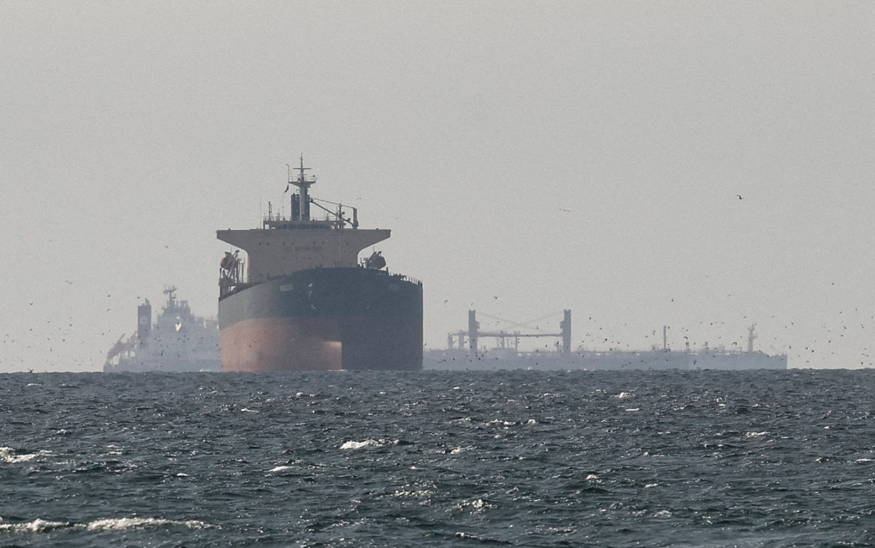
This spring, the Iran conflict disrupted trade in the Strait of Hormuz, where a quarter of the world’s oil supply typically passes. Reuters file photo
This spring, the Iran conflict disrupted trade in the Strait of Hormuz, where a quarter of the world’s oil supply typically passes. Reuters file photo
Iran war repercussions impact shipping, oil
Duration of conflict will determine effect on Virginia
Chris Suarez// April 29, 2026//



Summary:
- Iran attacks cargo ships, halting Strait of Hormuz traffic
- Port of Virginia avoids major disruptions despite fuel price rise
- Tariffs already have impacted global shipping companies
After a year of shadowboxing unpredictable tariff policies, global shipping companies in 2026 are contending with full-tilt combat in a narrow-but-vital Persian Gulf passage.
Oil prices rocketed skyward in March as the United States and Israel launched an aerial bombing campaign against Iran, prompting the embattled nation to retaliate against neighboring countries with vast oil fields and American military bases. A few weeks in, President Donald Trump raised the possibility of talks between the U.S. and Iran, but he also has threatened more attacks and sent additional troops to the Middle East.
As of early April, the U.S. and Israel had not sent ground troops into Iran, but criss-crossing missile strikes and drone attacks have halted nearly all traffic through the Strait of Hormuz, a trade choke point where 25% of the world’s annual oil supply navigates each year.
“If they restrict the trade and the production in that region, then clearly energy prices will go up, and eventually this will go through the whole [supply] chain, and we will see the indirect impact on inflation,” says Ricardo Ungo, director of the Maritime, Ports and Logistics Institute at Old Dominion University.
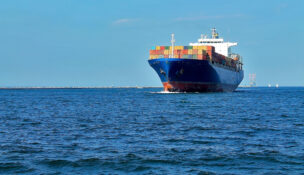
Iran’s paralyzing attacks on more than a dozen cargo ships and oil tankers have also stranded hundreds of vessels in the gulf as international shipping companies CMA CGM and Maersk indefinitely suspended bookings throughout the region.
“It’s virtually industry-wide,” says Rachel Shames, vice president of pricing and procurement for CV International, a Norfolk-based freight shipping and customs broker. “There’s some air freight solutions into key hubs, but it’s very limited, and because of the huge backlog, it’s very expensive. The other very immediate effect is the price of fuel. That affects every single mode of transport and every cargo that’s moving, regardless of where it’s going.”
American consumers have already seen gas prices rise in response to the war.
In Virginia, according to AAA, the average price for a gallon of gas rose by more than a dollar between late February and early April, with regular gas hitting $4.08 per gallon or higher statewide.
On the commercial trade side, ships are paying more for fuel and consuming more as rerouted vessels avoid the Middle East by going around South Africa.
Maritime trade experts say an extended conflict could lead to higher prices and inflation, complicating markets that have been disrupted by geopolitical tariffs.
While the U.S. Supreme Court in February invalidated Trump’s use of emergency powers for some of his myriad tariffs, the president immediately imposed a universal 10% duty, arguing that other legal provisions allow him to do so without congressional approval.
The new global tariff sits atop an expansive regime of still-in-play import taxes on various commodities and specific countries. Trump says he is leveraging the economic policy against allies and foes alike for better trade deals and diplomatic achievements.
“Anybody involved in importing has had a really rough year, between the announcements and then waiting for things to become official. The sheer quantity of changes and updates have been a nightmare,” Shames says. “And that’s not even scratching the surface of the costs to the actual import community. Financial pressure is a given because all these tariffs come with huge price tags.”
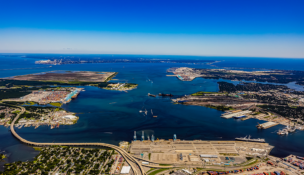
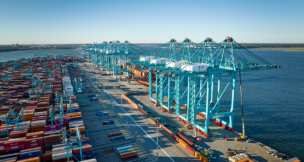
Virginia motorists are already feeling the pressure at gas pumps, but the Port of Virginia, which spans four terminals in Hampton Roads and two inland ports in Richmond and Front Royal, has not experienced significant disruptions from the war, spokesman Joe Harris says.
That’s because the port isn’t in the business of importing or refining crude oil, which is common in Louisiana and Texas.
“We’re fortunate in that we’re in the container [shipping] business, and right now, the way things are set, we’re in good shape,” Harris says. “We are going about our business as we would any other day.”
While there’s an oil refinery in Yorktown, much of its raw supply from domestic oil fields arrives by pipelines and rail, Ungo says.
Beyond rising fuel and transportation costs, however, the conflict could specifically challenge farmers and certain industrial manufacturers.
Other major commodities produced in the Persian Gulf region, such as aluminum, urea fertilizer and liquid nitrogen, are already seeing price shocks. Of those three, Ungo says aluminum is the only significant resource Virginia buys from there, with about $75 million in imports last year.
Up in the air
The duration of the war will determine how much of an impact it has on the global economy. Shames says oil prices have moved up and down throughout March, and that a resolution to the conflict or other measures, like the use of strategic oil reserves, might stave off more significant increases.
Still, she says many container importers bringing cargo from Asia were already preparing to lock in freight rates for the year starting May 1, which may result in higher shipping costs if trade disruptions persist.
“I think a lot of these importers and the industry can withstand some of this for a little while without having to increase prices. But at some point there will probably be a need to pass those along,” she says. “They were expecting to get more favorable rates this year. And all of a sudden, all of that is thrown into question. So it’s very volatile.”
Meanwhile, in late March, hedge fund and oil company executives met in Venezuela to discuss future oil production plans, as the U.S. eased oil sanctions against the country to try to boost the world’s oil supply.
Ungo says armies targeting oil refineries and other production facilities could make the market shocks more permanent, as nations will need to invest time and resources in repairs or reconstruction.
Experts noted other recent flareups and disruptions, such as the six-day container ship blockage of the Suez Canal in 2021 and Houthi rebels in Yemen effectively closing Red Sea trade lanes the last two years, caused economic and logistical issues.
“The prolonged disruption would be certainly unprecedented,” he says, “because all the previous disruptions were a lot shorter and with less possibility of escalation.”