
 Sign In
 Free Newsletter

Virginia businesses are teaming up with health-care providers in an effort to break the cycle of opioid addiction.
Last year, Virginia saw 1,227 opioid-related overdose deaths, according to the governor’s office.
Dr. Hughes Melton, the state’s commissioner of behavioral health and developmental services, told a Virginia Chamber of Commerce health conference in June the economic impact of opioid addiction in the commonwealth is about $1.4 billion a year.
At the conference, Dr. Dheeraj Raina, Anthem’s medical director, said those costs include absenteeism, tardiness, turnover, theft and increased workplace conflict. The opioid epidemic also reduces the pool of potential employees.
In June, Virginia Attorney General Mark Herring filed a lawsuit accusing Stamford, Conn.-based Purdue Pharma of violating the Virginia Consumer Protection Act with “false claims about the purported safety, efficacy and benefits of its opioids, including OxyContin.” The company has denied the allegations.
A growing number of Virginia localities — including the city of Alexandria and Dickenson, Bland, Caroll, Smyth and Washington counties — also have filed suit against opioid manufacturers.
In August, Gov. Ralph Northam, a physician, began a series of lectures on the opioid crisis to students at four Virginia medical schools. The lecture tour was scheduled to end Sept. 5 at Liberty University.
The Virginia Department of Health (VDH) and the Virginia Hospital & Healthcare Association (VHHA) have begun a “Partnering for a Healthy Virginia Initiative” to address community health needs. Jeff Stover, the VDH’s acting deputy commissioner for population health, says “opioids are high on the agenda” of the initiative. Opioids include prescription pain relievers, heroin and synthetic drugs such as fentanyl.
The group’s advisory committee includes nearly two dozen representatives of companies, hospitals, foundations and local health departments. “We’re trying to catalog the various projects in communities,” Stover says. “We’re creating a puzzle, then finding where there are missing pieces. We plan to evolve into specific projects.”
Need for top-notch safety
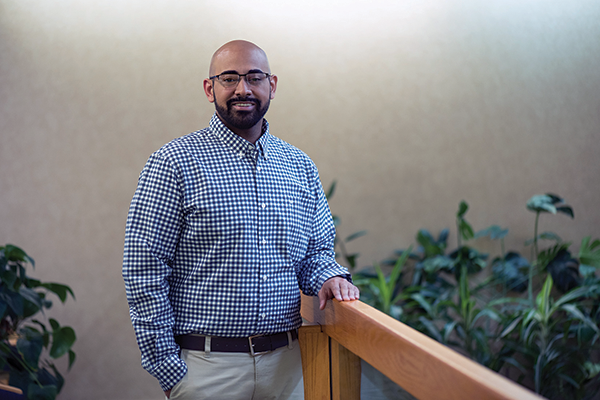 Fredericksburg-based Quarles Petroleum Inc. is acutely aware of the dangers of prescription drug misuse, says Danîs Brown, the fuel company’s manager of health and safety. “A propane truck has a bomb on the back. Your health and safety program needs to be top notch,” he says. In addition to complying with Department of Transportation drug-testing requirements, “we make sure we go above and beyond what’s required by law,” Brown says.
The company conducts pre-employment testing, quarterly random testing and post-accident testing. “People are truly vetted,” he says. “We haven’t had a positive on random testing.”
In safety-sensitive jobs, employees cannot use opioids, even those prescribed by health-care providers, Brown says. If workers must be prescribed opioids, they are put on short-term disability or moved to other positions.
Quarles strives to educate all employees about the dangers of over-reliance on opioids, he says. “If they have a personal health issue or an injury outside of work, we expect them to talk to their doctor about maybe forgoing an opioid prescription for something less dangerous.”
Centers for Disease Control and Prevention guidelines recommend non-opioid therapy for chronic pain outside of cancer, palliative and end-of-life care. The CDC says that “when opioids are used, the lowest possible effective dosage should be prescribed to reduce risks of opioid use disorder and overdose.” The agency suggests alternative strategies such as cognitive behavioral therapy, acupuncture, medical massage and physical therapy for treating chronic pain.
Drawn into the crisis
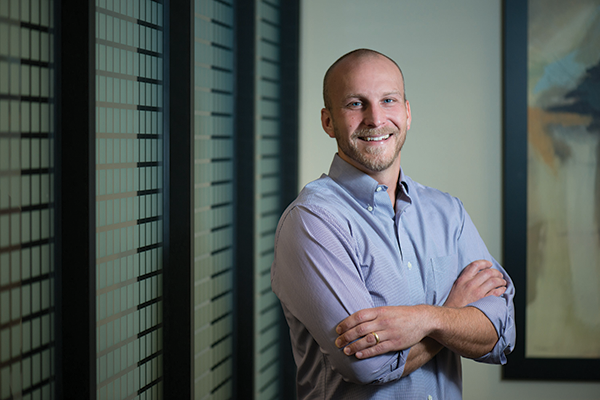 Alex Shaw, a risk performance specialist with Scott Insurance in Richmond, and Stephanie Wesolowski, a Scott health-risk management consultant, advise companies on ways to prevent employee misuse of prescription drugs.
Many companies don’t even realize they have been drawn into the crisis, Shaw says. “We’ve heard from people who say, ‘We don’t see it in our company.’” These businesses, however, often don’t see the problem because their drug testing is too limited. “Many drug-testing panels do not capture all opioids, just morphine, codeine, and heroin,” Shaw says. “So, you need to find out:
What drug testing are you using? Specify what you want to test for. It’s a huge blind spot for many organizations.”
He also recommends that employers build strong relationships with their occupational medicine providers. “Talk with physicians and make sure opioids aren’t the first drug of choice. Let them know your preference is something other than an opioid,” he says.
Wesolowski emphasizes the importance of educating supervisors, managers and HR directors as well as employees about effective alternatives to opioids. “Behavior change through physical therapy is seen as more difficult than ‘just give me a pill,’” she says. “The view often is: ‘Isn’t there something I can take?’”
Dr. Robert Trestman, chair of the department of psychiatry at the Virginia Tech Carilion School of Medicine, says that businesses and society must address addiction as a chronic disease that needs to be managed, not punished. “If we can reconceptualize that it is akin to something like diabetes, that makes it easier to understand” and provide appropriate treatment, Trestman says.
“Three EAP [employee assistance program] visits will not be enough.”
In contrast to the stereotypical drug addict, the majority of people addicted to opioids “are employed or employable,” Trestman says. He also notes that many people using opioids started with legitimate pain prescriptions.
Employees must understand that the goal of treatment is not to eliminate pain completely, but to manage it at a tolerable level, says Trestman. “Sometimes doctors just write a prescription — people take it even when it is unnecessary.”
People on opioids for more than 30 days are at risk of becoming addicted, he notes, because in addition to relieving pain, opioids activate regions in the brain causing euphoria, a high. “Our brains were never designed to cope with this,” Trestman says. “The challenge we need to recognize is that even really solid employees are at risk. But it is treatable — with appropriate support.”
 “This year we have rolled out JusticeServer 2.0, which is the next generation to improve performance,” says Harry M. “Pete” Johnson III, a Hunton Andrews Kurth partner who was a member of the committee that organized the 2010 Pro Bono Summit.
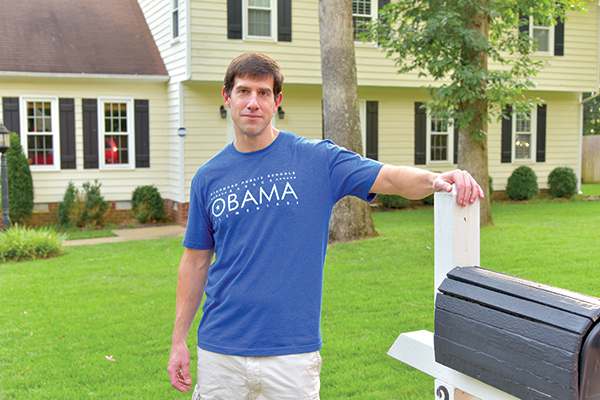 “We support veterans and service members in all branches of the military, including activated National Guard members and reservists,” says attorney Bob Barrett, chair of the task force. “We take a broad approach.”
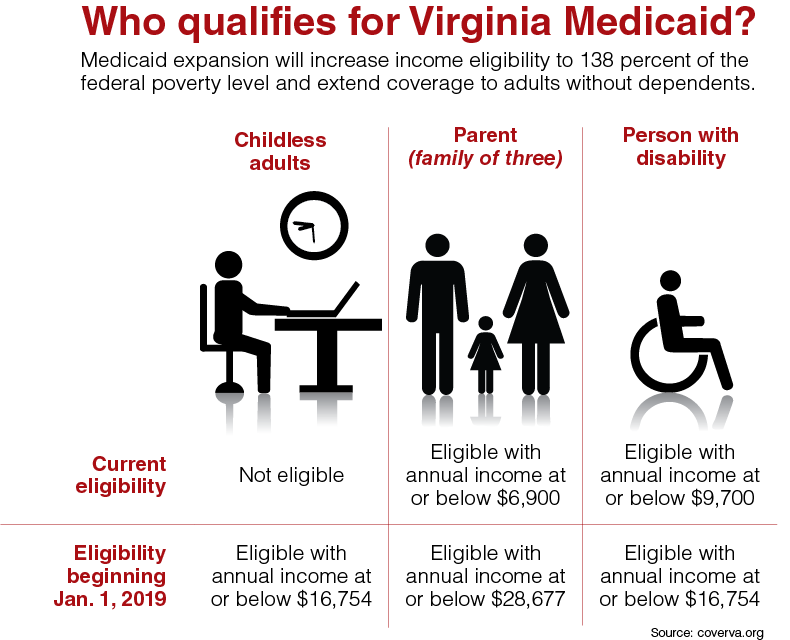 Medicaid expansion in Virginia under the Affordable Care Act has been a slow and contentious process, long-thwarted by state lawmakers who saw it as a break from the commonwealth’s conservative fiscal policies.
 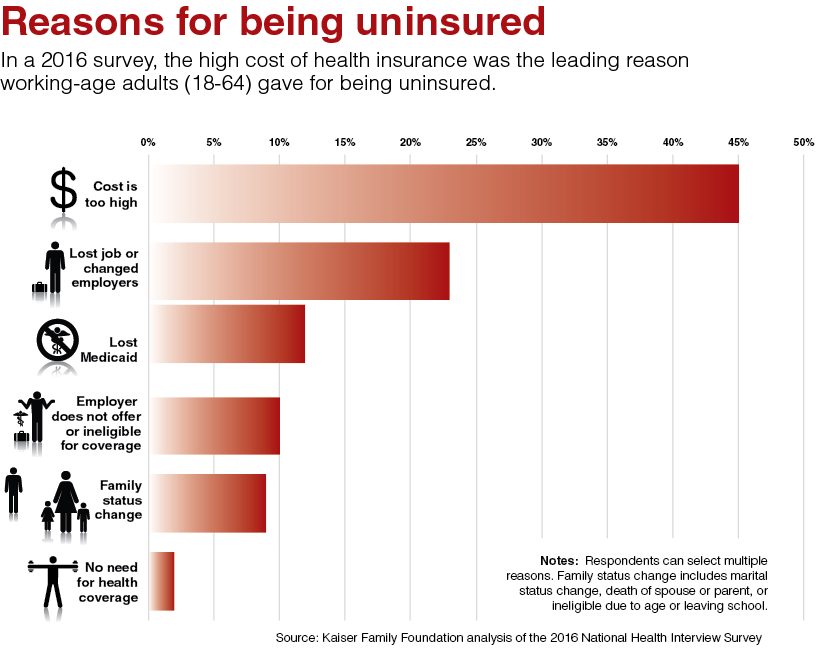 Uninsured people, she notes, often put off seeing a doctor or taking medications until they have a medical crisis. Then they end up in emergency rooms and are unable to pay for costly treatments. “Someone still pays that bill,” she says, “and those costs are absorbed by the system and increase costs for everybody else.”
 University Architect Mary Cox recalls that, when Oregon Hill residents learned of those plans in 1989, the disclosure set off a furor.
 VCU’s building boom has helped Richmond regain its momentum after the city’s population fell from 250,000 in 1970 to 197,000 in 2000, a 21 percent decline.
 VCU has made a determined effort to house more students on campus. About 83 percent of its freshmen live in VCU housing, and more than 6,600 students reside on campus overall.
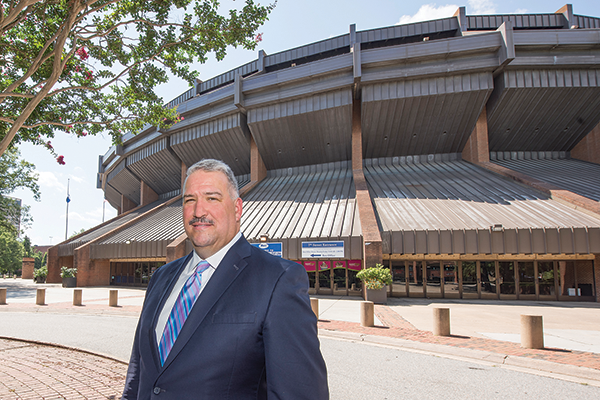 “Quality of life is becoming more important for companies in attracting talent to this region,” says Barry Matherly, president and CEO of the Greater Richmond Partnership. And as companies look at factors that would attract desirable millennial and Gen Z workers to the region, they are noting that Richmond lacks a facility for larger music and pro-sports events.
 The effort would “create a walkable urban center” and connect the city’s economically depressed East End with new employment opportunities, Kelley says. And, he adds, “If it goes forward, it will be the biggest minority-business opportunity in Richmond history. Somewhere around $170 million will be set aside for minority contractors.”
 Another way that Richmond is working to become more appealing to younger professionals, Matherly says, is with transportation projects such as the Greater Richmond Transit Co.’s recently launched Pulse rapid bus transit service. The Pulse runs for 7.6 miles along Richmond’s Broad Street corridor from Rocketts Landing in the east to the Willow Lawn shopping center near the Henrico County line in the west.
 “Increasingly, RIC is seeing growing demand for overnight aircraft parking positions. Late-night arrivals become the next morning’s kick-off flights,” says Jon E. Mathiasen, president and CEO of the Capital Region Airport Commission. “While the airport can meet current requirements, the goal is to stay a bit ahead of the demand curve to meet foreseeable future needs.”