Sign In
Upcoming Event
 Free Newsletter

Oil prices ease as US says it is fine with some ships going through Strait of Hormuz
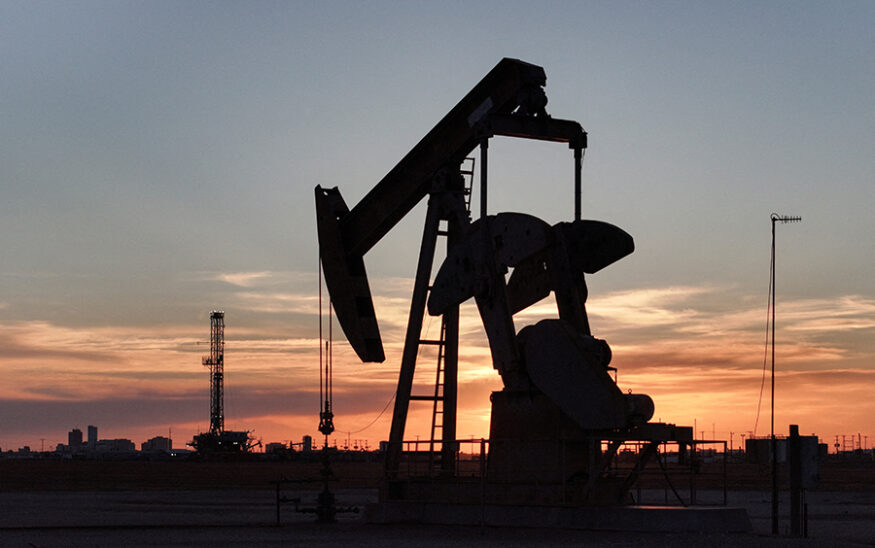
A drone view of a pump jack and drilling rig south of Midland, Texas, U.S. June 11, 2025. REUTERS/Eli Hartman/File Photo
A drone view of a pump jack and drilling rig south of Midland, Texas, U.S. June 11, 2025. REUTERS/Eli Hartman/File Photo
Oil prices ease as US says it is fine with some ships going through Strait of Hormuz



Summary:
- US Treasury Secretary Scott Bessent said the US is fine with some Iranian, Indian, and Chinese ships passing through the Strait of Hormuz.
- Brent crude fell 1.4% to $101.68 a barrel, and WTI crude dropped 4% to $94.76 amid easing tensions.
- The International Energy Agency may release more emergency oil stocks to mitigate rising energy prices caused by the Iran war.
NEW YORK, March 16 (Reuters) – Oil prices eased about 1% on Monday after the United States said it would be fine with some Iranian, Indian and Chinese ships moving through the Strait of Hormuz and talk of possible additional releases from emergency reserves as part of global efforts to reduce consumer energy prices during the Iran war.
Brent futures fell $1.46, or 1.4%, to $101.68 a barrel by 10:37 a.m. EDT (1437 GMT), while U.S. West Texas Intermediate (WTI) crude fell $3.95, or 4%, to $94.76.
On Friday, Brent closed at its highest since August 2022 and WTI at its highest since July 2022, putting both crude benchmarks up more than 40% since the U.S. and Israel attacked Iran on February 28.
The United States is “fine” with some Iranian, Indian and Chinese ships going through the Strait of Hormuz for now, Treasury Secretary Scott Bessent said on Monday, adding that any action to mitigate higher prices would depend on how long the war lasts.
The Strait of Hormuz between the Persian Gulf and Arabian Sea is a critical waterway for a fifth of global oil and liquefied natural gas (LNG) supplies.
Iran has asked India to release three tankers seized in February as part of talks seeking the safe passage of Indian‑flagged or India‑bound vessels through the strait, three sources with knowledge of the matter told Reuters.
U.S. allies, meanwhile, said they had no immediate plans to send ships to unblock the Strait of Hormuz, rebuffing a request by U.S. President Donald Trump for military support to keep the vital waterway open.
Denmark’s foreign minister, however, said Europe should keep an open mind on helping to ensure freedom of navigation for ship traffic in the strait even if the continent did not support the U.S.-Israeli decision to go to war with Iran.
EFFORTS TO REDUCE ENERGY COSTS
Governments worldwide are trying to shield consumers from soaring energy costs as the disruption to global oil and gas supplies caused by the war ripples through economies, stokes inflation and squeezes household budgets.
Member countries of the International Energy Agency (IEA) could release more emergency oil stocks later “as and if needed” as there will still be over 1.4 billion barrels remaining in their emergency oil stocks despite the largest release of reserves in history already agreed, Executive Director Fatih Birol said on Monday.
On Sunday, the IEA said more than 400 million barrels of oil reserves will begin flowing to the market soon, a record draw aimed at combating price spikes caused by the war.
THREE MORE WEEKS OF WAR?
Israel said it has detailed plans for at least three more weeks of war as its military pounded sites across Iran overnight. U.S. Energy Secretary Chris Wright said on Sunday he expected an end to the war within “the next few weeks,” with oil supplies rebounding and energy costs falling afterwards.
Over the weekend, Trump threatened further strikes on Iran’s Kharg Island, which handles about 90% of the country’s exports, after hitting military targets there and spurring further retaliation from Tehran. The U.S. is in contact with Iran, Trump said, though he doubted Tehran was prepared for serious talks to end the conflict.
Abu Dhabi state oil giant ADNOC has suspended crude loading operations at the United Arab Emirates port of Fujairah, a source familiar with the situation told Reuters on Monday, after a drone attack triggered fires at the key export terminal.
Some loading at Fujairah, however, restarted, two other sources said. Two of the three single-point moorings, where tankers connect to load, were operational, one source said.
Fujairah, outside the Strait of Hormuz, is the outlet for about 1 million barrels per day (bpd) of the UAE’s flagship Murban crude oil – a volume equal to about 1% of world demand.
(Reporting by Scott DiSavino in New York, Enes Tunagur in London and Florence Tan and Jeslyn Lerh; Editing by Jason Neely, Bernadette Baum and Emelia Sithole-Matarise)
P