Sign In
Upcoming Event
 Free Newsletter

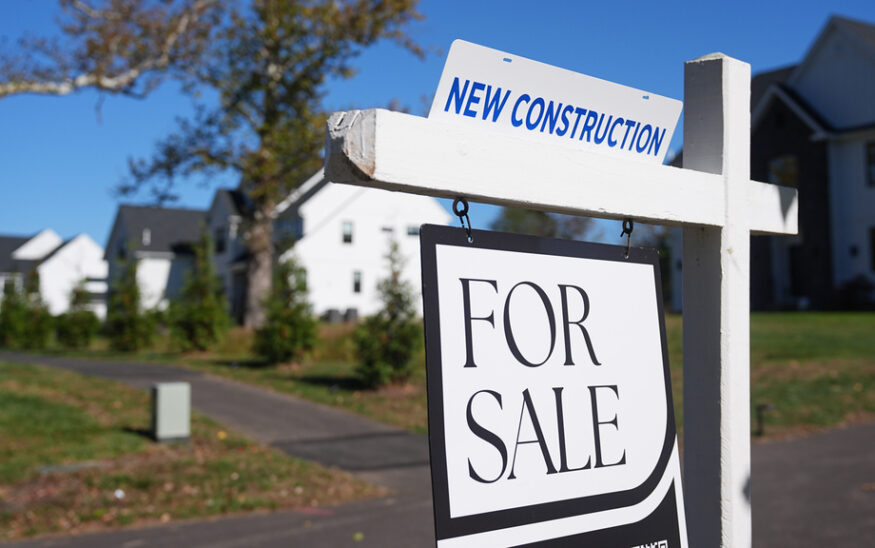
FILE - A sign is posted for a new home for sale in Ambler, Pa., Thursday, Oct. 16, 2025. (AP Photo/Matt Rourke, File)
FILE - A sign is posted for a new home for sale in Ambler, Pa., Thursday, Oct. 16, 2025. (AP Photo/Matt Rourke, File)
US mortgage rates fall to 6.19%, nearing yearly low



Summary
- Average 30-year U.S. mortgage rate fell to 6.19%, near its yearly low.
- 15-year mortgage rate also declined, dropping to 5.44%.
- Falling rates improve homebuyers‘ purchasing power amid affordability challenges.
- Economists expect mortgage rates to stay slightly above 6% next year.
The average rate on a 30-year U.S. mortgage fell again this week, slipping close to its low point so far this year.
The decline brings the average long-term mortgage rate to 6.19% from 6.23% last week, mortgage buyer Freddie Mac said Thursday. A year ago, the rate averaged 6.69%.
This is the second straight weekly drop in the average rate after three straight increases. It’s now at the lowest level since Oct. 30, when it was at 6.17%, the lowest level in more than a year.
Borrowing costs on 15-year fixed-rate mortgages, popular with homeowners refinancing their home loans, also fell this week. The rate averaged 5.44%, down from 5.51% last week. A year ago, it was 5.96%, Freddie Mac said.
Mortgage rates are influenced by several factors, from the Federal Reserve‘s interest rate policy decisions to bond market investors’ expectations for the economy and inflation. They generally follow the trajectory of the 10-year Treasury yield, which lenders use as a guide to pricing home loans.
The 10-year yield was at 4.1% at midday Thursday. That’s up from about 4% last Wednesday.
Declining mortgage rates boost homebuyers’ purchasing power.
Easing mortgage rates this fall helped lift sales of previously occupied U.S. homes in October on an annual basis for the fourth straight month.
Still, affordability remains a challenge for many aspiring homeowners after years of skyrocketing prices. Uncertainty over the economy and job market are also keeping many would-be buyers on the sidelines.
While U.S. economic growth appears solid, hiring is sluggish and the unemployment rate has ticked up.
Mortgage rates began declining this summer ahead of the Federal Reserve’s decision in September to cut its main interest rate for the first time in a year amid signs the labor market was slowing. The Fed lowered its key interest rate again in October, and the general expectation is now that the central bank will cut its main interest rate when its policymakers meet again next week.
“A December rate cut, which the market widely expects, could take further pressure off of mortgage rates as the year comes to a close, boosting buying power as the new year approaches,” said Hannah Jones, senior economic research analyst at Realtor.com.
The Fed doesn’t set mortgage rates, and even when it cuts its short-term rates that doesn’t necessarily mean rates on home loans will necessarily decline.
Last fall after the Fed cut its rate for the first time in more than four years, mortgage rates marched higher, eventually reaching just above 7% in January this year. At that time, the 10-year Treasury yield was climbing toward 5%.
Economists at Realtor.com, Zillow and Bright MLS generally forecast that the average rate on a 30-year mortgage will remain slightly above 6% next year.