Sign In
Upcoming Event
 Free Newsletter


Millennials burn out while holding it all together



The other day I was sitting in back-to-back meetings when two notifications hit at once. My son’s school called — he’d fallen and needed to be picked up from school immediately. At the same time, an email from my mom popped up asking for help with her prescriptions.
Work was on fire. And I was supposed to be everywhere at once. This is the reality for millennial managers right now. We became the largest managerial cohort in America in mid-2025. Our influence in organizations has never been greater. Neither have our responsibilities.
Generational squeeze
Millennials are managing teams while managing child care and elder care simultaneously. According to a 2025 study from the Allianz Center for the Future of Retirement, 46% of millennials are now part of the sandwich generation, compared to just 18% of Gen Xers at the same career stage.
Nearly 78% are providing physical, financial, or emotional support to our parents. And 76% say caring for both generations feels like a full-time job.
The kicker? Most are completely unprepared for this level of support.
Organizations aren’t seeing this. Nearly half of sandwich caregivers are afraid to talk about elder care responsibilities at work. There’s an unspoken rule that it’s okay to mention child care, but not taking care of aging parents, and that silence weighs heavy.
What’s breaking us
Here’s what makes this worse: Millennials are trying to lead differently. They’re attempting to be more transparent, vulnerable, authentic, and collaborative than the managers we had. Millennials are trying really hard not to be like the Gen X and baby boomer leaders who managed them.
And while this approach gets the best out of teams, it’s also the most taxing leadership style possible.
You have to work harder, longer and in more varied ways with your team to make it work. The emotional toll on millennial managers is greater than what previous generations experienced because we’re trying to be more human and people-first.
They’re pressured from the top to deliver results. They’re pressured from the bottom by Gen Z employees who expect them to model the work-life balance they champion.
The problem? They can’t achieve that balance themselves.
Research shows millennials are the most stressed generation at work. Fifty-one percent report feeling highly stressed, compared with 37% of Gen X and older workers. Millennials hit peak burnout at 25 years old — 17 years earlier than the average American.
What no one talks about
Most millennial managers report receiving little to no formal leadership training.
They entered the workforce during the Great Recession when organizations cut leadership development programs because they thought we’d just job-hop anyway. Those training programs and corporate ladders that helped previous generations advance? Gone.
So, they’re figuring out this emotionally demanding leadership style on their own — learning through bumps and bruises and feeling pretty lonely about it.
There are very few resources out there that help them be positive, people-first leaders while also delivering the results their organizations expect.
When the middle breaks
Here’s what organizations are missing: Millennial managers are the retention linchpin. Fifty-two percent of employees consider their direct manager their most trusted source for company updates. They turn to their manager first to understand how company changes affect their roles and rely on their managers for career coaching and feedback.
When middle managers disengage, it spreads like wildfire. Employees who were previously all-in start clocking in and checking out.
The pandemic showed organizations how hard people could work when pushed. Many decided to keep that pace as the new normal, so expectations are higher and pressure is constant.
And millennials came into this expecting work to be meaningful, purposeful and enjoyable. When they can’t get that — when there’s dissonance between what they value and what they experience — it’s hard to reconcile.
They’re trying to create meaningful work environments for their teams while burning themselves out.
The people holding organizations together are quietly falling apart.
And if we don’t address this invisible crisis, the cascading effect on employee engagement, attrition and work culture will be significant.
It’s crucial that all of us spend more time helping millennials thrive. They are the massive middle that keeps most organizations running well. They are also the middle that is likeliest to break based on what I’ve said above. And when the middle breaks, everything breaks.
Can your business handle that?
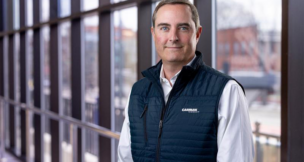
Jaime Raul Zepeda is the executive vice president and principal consultant at Best Companies Group, which helps organizations build high-performing and highly engaged employees. Best Companies Group has helped over 10,000 companies understand and improve their workplace using data-driven strategies. Contact him at [email protected]
l