Sign In
Upcoming Event
 Free Newsletter

Former VMI superintendent, ex-U.Va. rector named to higher ed commission
Commission to study state university board appointments
Kate Andrews //March 10, 2026//

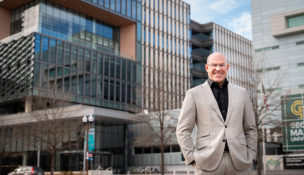
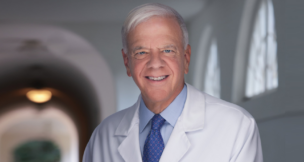
Retired Army Maj. Gen. Cedric Wins was VMI's first Black superintendent. Photo courtesy Virginia Military Institute
Retired Army Maj. Gen. Cedric Wins was VMI's first Black superintendent. Photo courtesy Virginia Military Institute
Former VMI superintendent, ex-U.Va. rector named to higher ed commission
Commission to study state university board appointments
Kate Andrews //March 10, 2026//



SUMMARY:
- Gov. Abigail Spanberger names former VMI head Cedric Wins, U.Va. ex-rector Robert Hardie and others to commission on university board appointments
- Appointments come following fights at VMI, U.Va., GMU over alleged political interference into university governance
The former superintendent of Virginia Military Institute, the University of Virginia‘s former rector and Acentra Health’s CEO are among several heavy hitters named to the state commission on appointments to university boards.
Gov. Abigail Spanberger announced the following appointees to the Virginia Commission on Higher Education Board Appointments, which has taken on increased significance amid partisan fights over university governance during the second Trump administration:
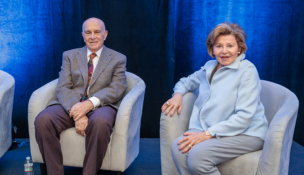
- Robert Hardie, co-chairman and CEO of H7 Holdings and Level One Partners, served as U.Va.’s rector through June 2025, a period that included President Jim Ryan’s resignation and a Department of Justice investigation;
- Anne Holton, former Virginia secretary of education and a former interim president at George Mason University, is the wife of U.S. Sen. Tim Kaine and Virginia’s former first lady;
- Lisa Roday, a Henrico County-based author and former attorney, served on William & Mary’s board of visitors for two terms;
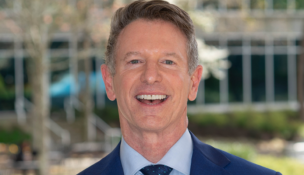
- Todd Stottlemyer, CEO of Acentra Health, served two terms on William & Mary’s board, including five years as rector, and was on the University of Mary Washington’s board;
- Dietra Trent, executive director of the Virginia HBCU Alliance, was previously executive director of the Biden White House’s HBCU initiative and is a former Virginia secretary of education;
- Retired Maj. Gen. Cedric Wins was VMI’s first Black superintendent, serving from 2020 through June 2025, after the military institute’s board declined to extend his contract. Named to replace retired Gen. J.H. Binford Peay III on an interim basis after allegations of racism at VMI, Wins encountered intense pushback from conservative alumni and, later, board members named by Gov. Glenn Youngkin, some of whom publicly clashed with him.
The makeup of Virginia’s public university boards, appointed by governors and voted on by state lawmakers, was at the center of a legal battle between state Senate Democrats and the Youngkin administration, after a Democratic-controlled committee voted not to confirm Youngkin’s appointees to VMI, U.Va. and George Mason University’s boards last year.
Ultimately, Spanberger named 27 members of the three schools’ boards earlier this year, although not before the old U.Va. board defied her request to pause hiring Ryan’s replacement. On Jan. 1, U.Va. President Scott Beardsley took office, and five U.Va. board members stepped down at Spanberger’s request the day before she was inaugurated in January.
A House bill introduced this session would have changed VMI’s governance structure, handing oversight to Virginia State University, a public HBCU with a more than two hours’ drive from Lexington. However, it was later amended to retain governance at VMI and require eight alumni and at least five members with U.S. military experience to serve.
Meanwhile, a second bill that would have created a task force to study whether to revoke VMI’s public funding status was changed to consider only the school’s response to a 2021 state report that found the institute had a “racist and sexist culture.”
s